
You pull a sealed coating bottle from the van, remember it spent the summer behind the driver's seat, and look at the freshly polished car waiting outside. The customer wants lasting protection, but first you need to know whether the liquid in your hand is still fit to apply.
How Long Ceramic Coatings Last at a Glance
Labelled durability and shelf life by product
| Product or coating | Figure type | Stated period |
|---|---|---|
| Alpha Quartz 50ml elastomer coating | Applied durability | Confirm the product-specific service-life statement before installation |
| Apex Glass 50ml windshield coating | Applied durability | Confirm the windshield coating's stated protection window |
| PX10 30ml base coat | Labelled durability | 5 years |
| ZEUS 30ml base coat | Labelled durability | 8 years |
| Titan coating with proper maintenance and touch-ups | Expected service life | 4 to 7 years or longer |
| Ceramic Pro ION Base Coat, sealed | Unopened shelf life | 2 years in sealed packaging |
| ORAFOL 2000087 Ceramic Coating, sealed | Unopened shelf life | 3 years in unopened original packaging |
| Technical data sheet example, sealed | Unopened shelf life | 12 months under the document's specified storage conditions |
The customer asks, “Will it last?” A careful detailer separates that into two different clocks.
The bottle clock measures how long the formulation remains suitable for application. The vehicle clock measures how long the applied film continues doing its job on paint or glass. A sealed cap doesn't prove the first clock is healthy, and a long durability label doesn't guarantee the second.
Read the conditions, not just the years
Unopened shelf life assumes the manufacturer's storage requirements were followed. Applied durability assumes appropriate preparation, installation, exposure and maintenance. A figure attached to one formulation doesn't transfer to another, even when both bottles say ceramic coating.
Our maintenance-based service-life expectation includes periodic touch-ups, not an untouched vehicle left outdoors indefinitely. Likewise, a base coat's labelled durability isn't a promise that every exposed panel will retain identical water behaviour throughout that period.
Before opening the bottle: Decide which question you're answering. Is the stock still usable, or is the coating already on the car still performing?
That distinction prevents an expensive mistake. You wouldn't assess an old bottle by spraying water on another vehicle, and you shouldn't assess an installed coating by checking the bottle's expiration date.
Why Coatings Age Inside the Bottle
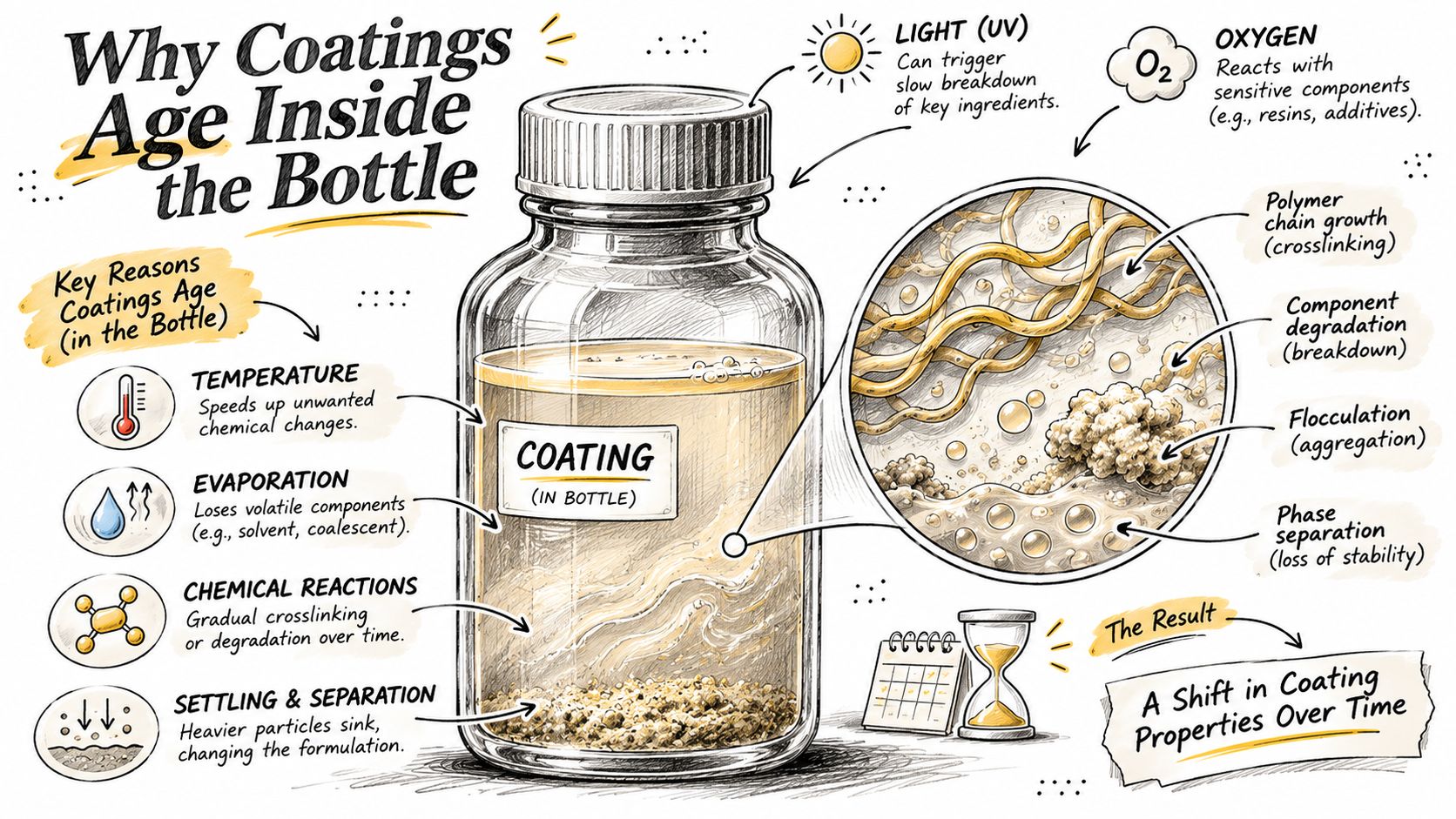
A sealed coating is a little like a sourdough starter: putting the lid on doesn't stop everything happening inside. The analogy ends there, but the practical lesson holds. Stored liquid can keep changing before you apply it.
Silane and sol-gel formulations contain reactive chemical groups. Through hydrolysis and condensation, those groups can continue reacting during storage, changing the liquid's structure and reducing the reactive groups available for bonding.
The ACS Langmuir study of sol-gel formulations connects controlled condensation and moisture exclusion with storage stability. Excessive aging can increase viscosity and compromise leveling, making a uniform applied film harder to achieve.
Calendar age versus chemical condition
The detailer tilts the bottle under the inspection light. Does the liquid flow normally? Is it clear where it should be clear? Has it developed persistent particles or an unfamiliar thickness?
Those observations matter because calendar age isn't a complete condition report. Our guide to ceramic coating liquid helps distinguish the material you apply from the protective film it becomes.
Published storage periods also reflect different formulations. The Novocoat SP2000AR technical data sheet estimates 12 months for unopened, sealed material stored dry at 21°C (70°F). Other product documents allow longer periods, which is why a generic industry countdown is a poor substitute for the actual technical sheet.
- Use the technical data sheet to establish storage and application requirements.
- Read the safety data sheet for handling restrictions and incompatible storage conditions.
- Inspect the material rather than treating an unexpired label as proof of performance.
Opening introduces another uncertainty. Ceramic Pro's Top Coat guidance says to use opened material as soon as possible, rather than giving a universal post-opening countdown.
That's not permission to keep a questionable bottle indefinitely. It means the opening date, storage history and material condition must guide the decision together.
How Storage Conditions Shorten or Extend Shelf Life
Storage ranges and risks for sealed and opened coatings
| Storage condition | Range or limit | Effect on shelf life |
|---|---|---|
| Sealed original container, dry location | 5 to 25°C in the product specification | Supports the product's labelled storage life |
| Normal storage benchmark for sealed coatings | Approximately 3 to 30°C | Defines normal storage, not a universal product guarantee |
| Sol-gel reference with moisture excluded | 4 to 30°C | Several months of stability reported |
| Wide product range | 0 to 35°C in ORAFOL's specification | Applies only to that product's sealed storage claim |
| Hot vehicle or summer sun | Keep below the spray product's specified maximum | Avoid heat exposure that accelerates aging |
| Freezing or freeze-thaw cycles | Below 0°C | Avoid unless the manufacturer expressly permits it |
| Humid air after opening | Reseal immediately after use | Limits moisture entry and progressive thickening |
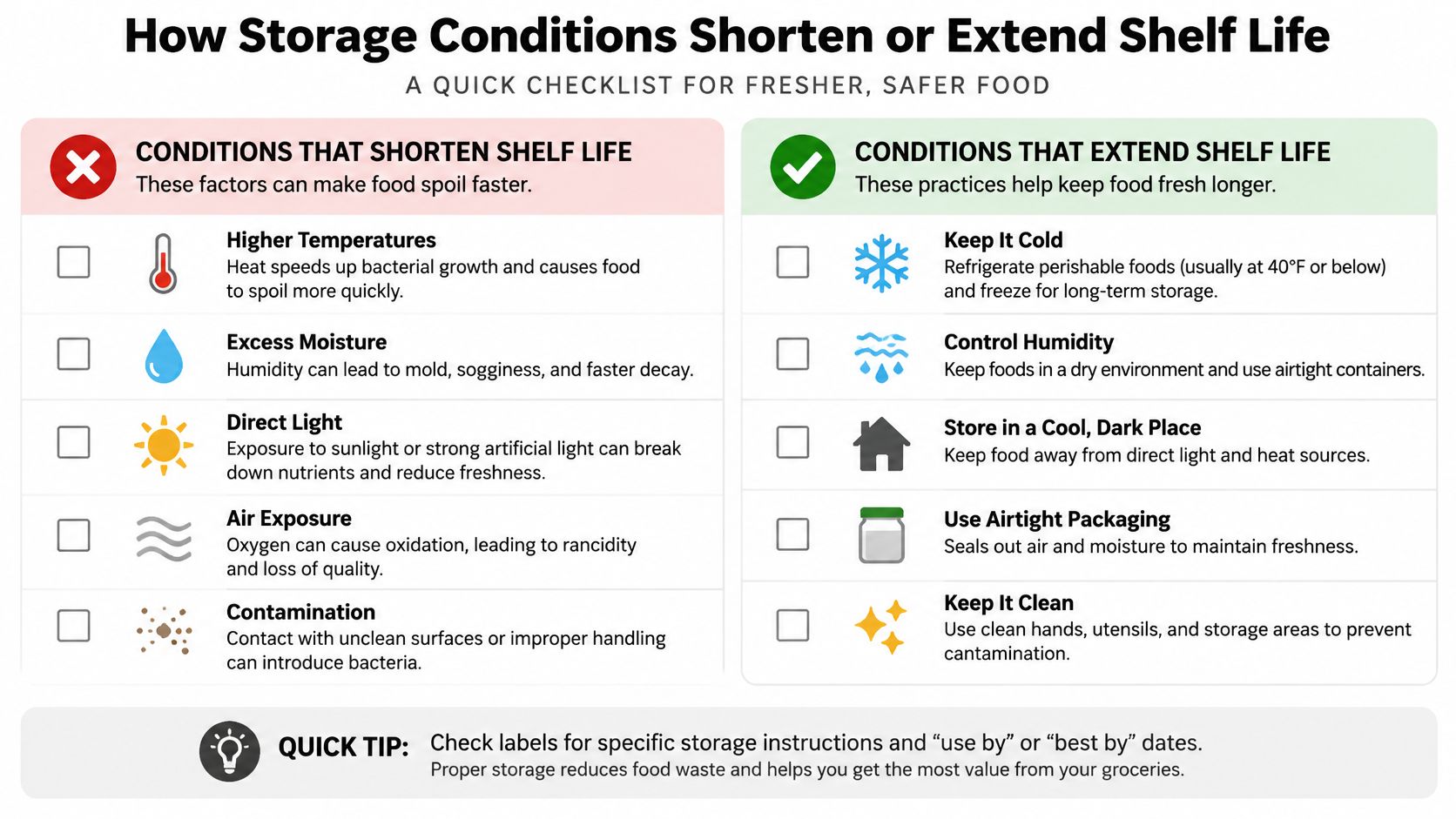
The technical review discussing ISO 12944-5 and sol-gel stability describes normal sealed-container storage at approximately 3–30°C and reports reference formulations stable for several months at 4–30°C with moisture excluded. These are useful benchmarks, not interchangeable warranties.
The van bottle and the studio bottle may have identical purchase dates. They don't necessarily have identical chemical histories. Heat speeds reactions, while moisture can advance hydrolysis and condensation.
Build a storage routine you can repeat
- Keep the original packaging. The cap, seal and container form part of the storage system.
- Choose a dry, controlled cupboard. Keep stock away from windows, heaters and damp wash areas.
- Avoid freeze-thaw cycles. Don't use an unheated vehicle as overnight storage.
- Record the opening date. Put it on the bottle and in your inventory record.
- Reseal promptly. Don't leave the bottle open while leveling an entire vehicle.
- Rotate stock. Move older suitable bottles to the front rather than repeatedly opening fresh ones.
Don't assume refrigeration fixes uncertain storage. A domestic fridge isn't automatically suitable for a chemical product, and colder isn't universally better. Follow the formulation's storage instructions.
Inspect before committing a customer's car
Look for haze, gel particles, stringiness, sediment or abnormal thickening. During a controlled test, an unusually short flash time or inconsistent wipe-off also deserves attention.
Compare against the manufacturer's specification or a known-good sample under matching conditions. Don't shake persistent contamination into suspension and call the problem solved.
A test panel can reveal an obvious application problem. It can't prove that an aged coating will retain its original long-term durability.
If the bottle's history is unknown and its behaviour is doubtful, keep it off a paying customer's vehicle. Replacing material is simpler than removing an unsuitable installation.
How Curing Time Sets the Real Start of Protection
Say an owner washes a freshly coated car early because the surface already feels slick. The detailer then has to explain that a dry-looking surface isn't necessarily a fully bonded film.
Early washing doesn't reset a chemical stopwatch in any real sense. It can interfere with the developing coating and leave a result that never matches the installation's intended performance.
Cure and aftercare timelines for applied coatings
| Stage | Timeline | What it means |
|---|---|---|
| Initial cure, other Titan coatings | 12–24 hours | Initial setting isn't full chemical bonding |
| Wash-free bonding window, other Titan coatings | 7 days | Protect the film through the stated window |
| Full cure, APEX ONE 30ml | 2 hours | A product-specific exception, not a general rule |
| Cure, the featured elastomer coating | Product-listed cure is 4 hours | Confirm whether additional aftercare restrictions apply |
| Full chemical cure, one ceramic-coating specification | 7 days | Avoid harsh exposure while chemical cure completes |
| Opened bottle | As soon as possible | A storage instruction, not an applied-film cure time |
The linked Ceramic Pro specification also recommends application at 25°C and 50% relative humidity, with a 10–30°C surface temperature. That controlled application environment is different from a bonnet that's just come off a sunny motorway.
Plan the handover before applying
On application day, work on clean, properly prepared surfaces in suitable conditions. Arrange sheltered parking and explain the aftercare restrictions before the customer needs to drive home.
During initial setting, protect the vehicle from avoidable contamination and water exposure as directed by its product instructions. If something lands on the coating, contact the installer rather than reaching immediately for a strong cleaner.
For our general wash-free window, schedule the first wash after the stated bonding period. Product-specific instructions take precedence, especially where a faster-curing formulation has separate aftercare requirements.
Our guide to ceramic coating cure time helps owners plan the practical gap between installation and normal washing.
Handover rule: Write the first permitted wash date on the customer's aftercare sheet. Don't leave them to interpret “keep it dry for a while.”
A coating can be suitable inside the bottle yet mishandled on the car. Cure planning protects the work already invested in preparation and installation.
How Heat, Cold and Sun Change Lifespan on the Road
The customer's car leaves a sheltered studio and meets hot tarmac, cold nights, rain, road salt and insects. Washing adds another kind of stress: repeated contact with tools and cleaning chemicals.
UV exposure also matters. Our coatings offer UV resistance to help prevent oxidation, fading and sun damage, but a protected vehicle still benefits from sensible parking and prompt contaminant removal.
Why flexibility matters
A rigid glass plate resists pressure until movement exceeds what it can accommodate. A flexible membrane can yield with that movement. Our elastomer concept combines glass-like hardness with flexibility, with the aim of helping the film accommodate pressure and temperature-driven expansion.
Titan developed its own coating technology using proprietary approaches including Dark Matter Technology®. We describe the elastic film as resisting cracking when temperatures move from freezing to hot conditions or when insects strike the surface. Those are formulation-specific performance claims, not a promise of immunity to every impact or temperature extreme.
The featured elastomer formulation is described as easy to apply indoors or outdoors, making it relevant to DIY users and mobile detailers. Ease of installation still requires appropriate surface preparation and a suitable working environment.
Don't confuse storage limits with road performance
An automotive ceramic-spray safety data sheet specifies storage below 49°C and warns against temperature extremes and direct sunlight. That limit concerns the packaged spray, not a universal operating temperature for cured automotive coatings.
Different formulations can change appearance or performance under different conditions. A storage warning from another brand cannot validate our freeze-to-heat claims. Those claims should be supported by Titan's own applicable test data, including the tested substrate and exposure conditions.
For owners facing sustained heat, our guidance on coatings in hot desert climates provides useful context for product selection and care.
Practical protection isn't complicated. Park in shade where possible, keep application bottles out of parked vehicles, and match the coating to the local environment. Before scheduling outdoor work, confirm the product's application range rather than assuming a flexible cured film makes temperature irrelevant during installation.
Maintenance Habits That Keep a Coating Working
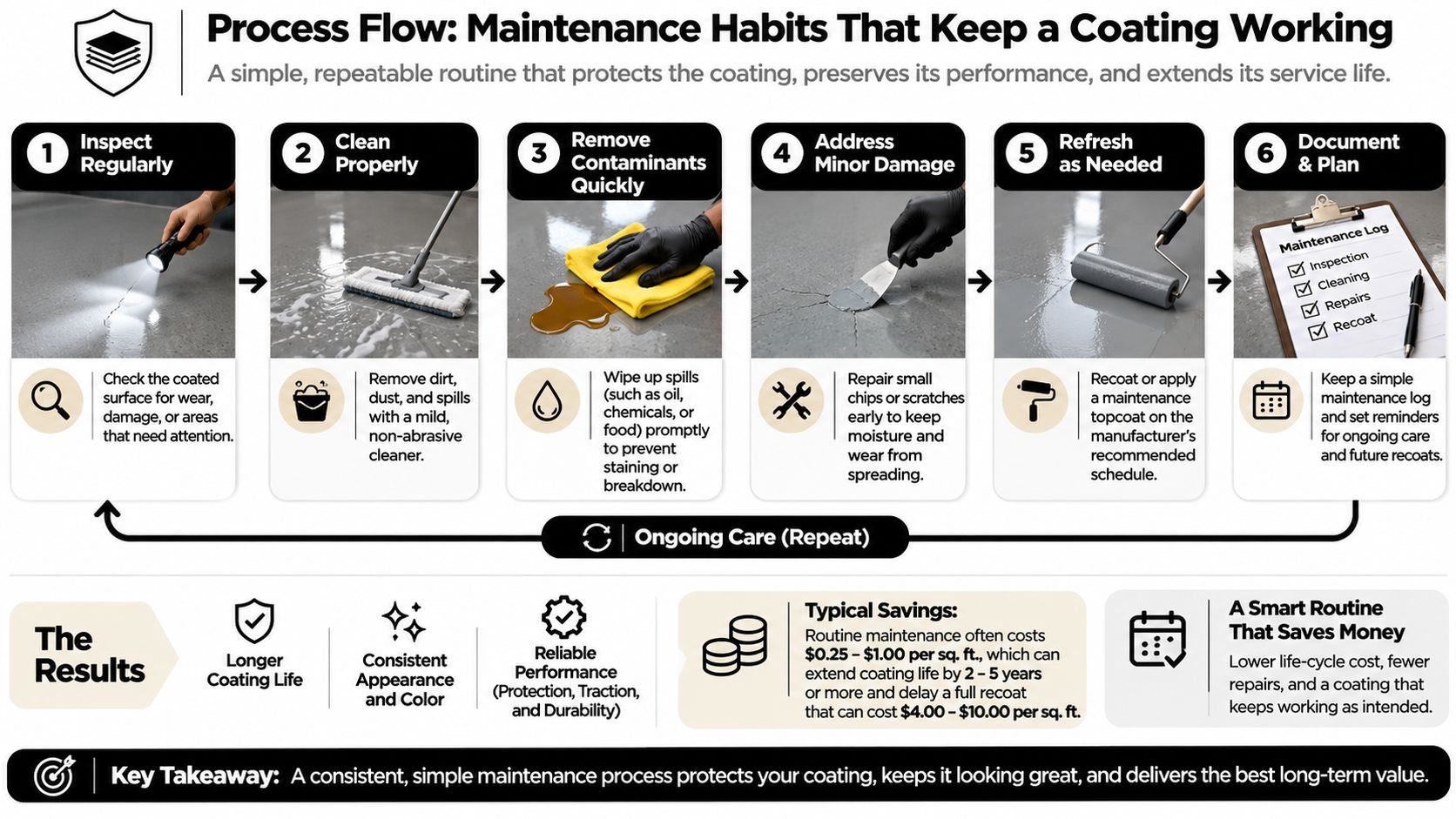
Wash with a pH-neutral shampoo and avoid harsh chemicals and abrasive cleaning products. That's the starting point, whether the car belongs to a weekend enthusiast or a customer who drives through road spray every morning.
Say the lower doors look flat after a wet commute. Don't immediately add another protective layer over the dirt. Clean the surface first so you can judge what's happening.
A controlled wash routine
- Rinse away loose grit. Use plenty of water before touching the paint, reducing the particles your mitt could drag across it.
- Wash gently. Use pH-neutral shampoo and a clean microfiber mitt, cleaning the mitt frequently rather than carrying lower-panel dirt onto the bonnet.
- Rinse thoroughly. Remove shampoo residue so it doesn't dry into streaks or interfere with your inspection.
- Dry carefully. Use a clean microfiber drying towel or suitable blower instead of letting mineral-containing water evaporate on the panels.
- Inspect in diffused light. Check for residue, missed dirt and uneven water behaviour before deciding whether protection needs attention.
For owners comparing recurring wash options, VIP Car Wash monthly plans provide a practical starting point for planning regular cleaning. Confirm that the chosen wash method, chemicals and equipment suit your coating's aftercare requirements rather than assuming every membership includes coating-safe treatment.
Refresh a clean surface, not a dirty one
ULTRA Ceramic Spray is a concentrated, water-based flexible membrane sealant intended for surfaces including paint, wraps, PPF, glass, wheels and plastic trim. It provides a DIY route for maintaining and refreshing protection between professional attention.
Follow its product-specific application method, layering instructions, and protection window. Don't invent a service-life figure or apply extra layers just because more feels safer.
Our ceramic coating maintenance guide can help turn those tasks into a repeatable routine. Keep a simple log with the wash date, products used, refresh date and inspection notes.
That record makes diagnosis easier. An installer can distinguish a gradual change from a problem that appeared immediately after a particular cleaner or wash.
Signs a Coating Has Reached the End of Its Life
Water stops forming tight beads on the bonnet, and the owner assumes the coating has disappeared. That's a reason to inspect, not a complete diagnosis.
Surface contamination can mask water behaviour. Start with a proper wash, then use coating-compatible decontamination where needed before judging the underlying film.
Symptoms worth investigating
- Weaker water behaviour: Water spreads or drains unevenly after cleaning.
- Persistent spotting: Marks remain after ordinary washing and rinsing.
- Dull or hazy patches: Clean panels don't recover their expected appearance.
- Chalky or greasy residue: The surface looks coated with something unwanted.
- Peeling or flaking edges: An installer should determine which layer is failing.
- Uneven gloss or stubborn contamination: Cleaning no longer produces a consistent finish.
These signs don't all prove coating failure. Peeling, for example, may involve another surface layer and shouldn't be diagnosed from a photograph alone.
If degradation remains after appropriate cleaning, a certified installer must inspect the vehicle, provide feedback and restore the coating as needed. Our coating failure analysis guide explains why identifying the cause comes before choosing the remedy.
Give the windshield its own inspection
Our glass and windshield coating is intended to enhance visibility and make driving in rain less stressful. Easy application is useful, but clean glass, sound wipers and good driver visibility remain essential.
Check the windshield seasonally for smearing, uneven clearing and persistent deposits. Don't judge it only by how attractive stationary water beads look.
Our professionally installed coatings come with an installer-provided warranty based on the products and layering used. Keep the installation record and written terms so the installer can assess the actual system on the vehicle.
The decision rule is straightforward: clean contamination, refresh a suitable clean film, and call a certified installer when degradation persists. Don't keep covering an unresolved problem with more product.
Choose a Coating and Protect Its Lifespan
We manufacture elastomer-based ceramic coatings for automotive surfaces, but choosing protection starts with the job. A DIY owner or mobile detailer needs a manageable installation process; a commuter may prioritise wet-weather windshield clarity; an existing customer may need a suitable maintenance refresh.
Explore the Titan Coatings shop with that specific need in mind, rather than choosing solely by the largest durability number.
This week, take three practical actions:
- Identify your clock. Assess stored material separately from an installed film.
- Write down the requirements. Keep storage, curing and aftercare instructions with the job record.
- Set an inspection date. Check paint and glass when seasonal driving conditions change.
For a bottle with an uncertain hot-vehicle history, the recommendation is simple: verify its condition before installation, and replace it if doubt remains. Many early disappointments begin with storage, curing or care rather than the coating technology itself.
APEX NANO – Titan Coatings offers elastomer-based automotive protection, windshield coatings and maintenance options for different detailing needs. Visit APEX NANO – Titan Coatings to choose the right system, review its application requirements and plan the storage and aftercare that support its lifespan.
0 Comments